Incisional double eyelid
An upper-eyelid crease procedure that uses an incision to address the skin and underlying tissue. It may be discussed when skin, muscle or fat thickness makes a suture-only approach less suitable.
- Approach
- Eyelid surgery
- Your plan
- Assessed individually

How the approach works.
The planned crease guides the incision. Tissue removal and fixation are tailored to the eyelid, followed by closure. Incision care and follow-up are part of planning; no incision-based procedure is scar-free.
Understanding the anatomy
AI-generated educational illustrations, not patient photographs or treatment results. Simplified and not to scale; they do not show an individual treatment plan.

A surface view shows the upper eyelid crease and lid margins around an intact eye.
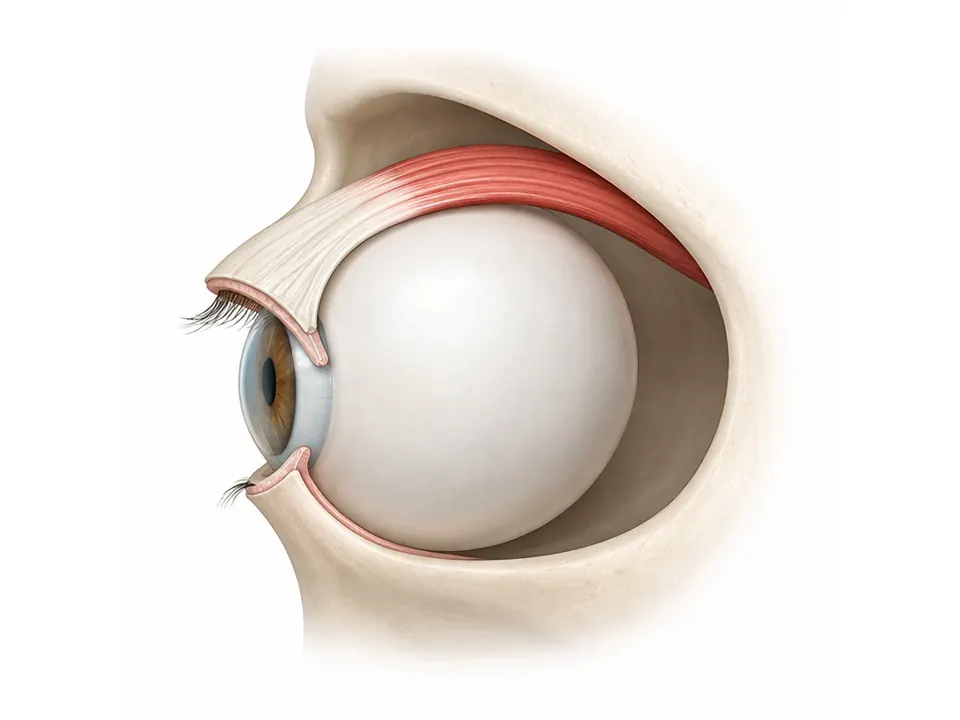
The levator muscle runs above the globe and continues toward the upper eyelid through its aponeurosis.
Understanding the incisional approach
Look at assessment, tissue access and closure. These selected illustrations do not show every stage of surgery.

Eyelid assessment
Skin and tissue thickness are assessed before choosing an approach.
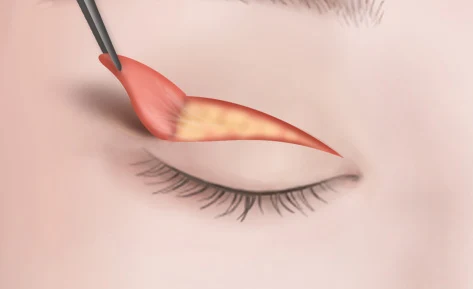
Access to underlying tissue
An incision gives access to the underlying tissue. Tissue handling is tailored to the eyelid.

Closing the incision
The incision is closed after tissue handling and fixation. Incision care and follow-up remain part of planning.
Illustrations from Clair’s official website. These simplified drawings are not patient results. The individual technique may differ.
What the consultation considers.
Skin laxity
Tissue thickness
Previous crease loss
This is a starting point for a consultation, not an individual treatment recommendation.
Structures to discuss
AI-generated educational illustrations, not patient photographs or treatment results. Simplified and not to scale; they do not show an individual treatment plan.
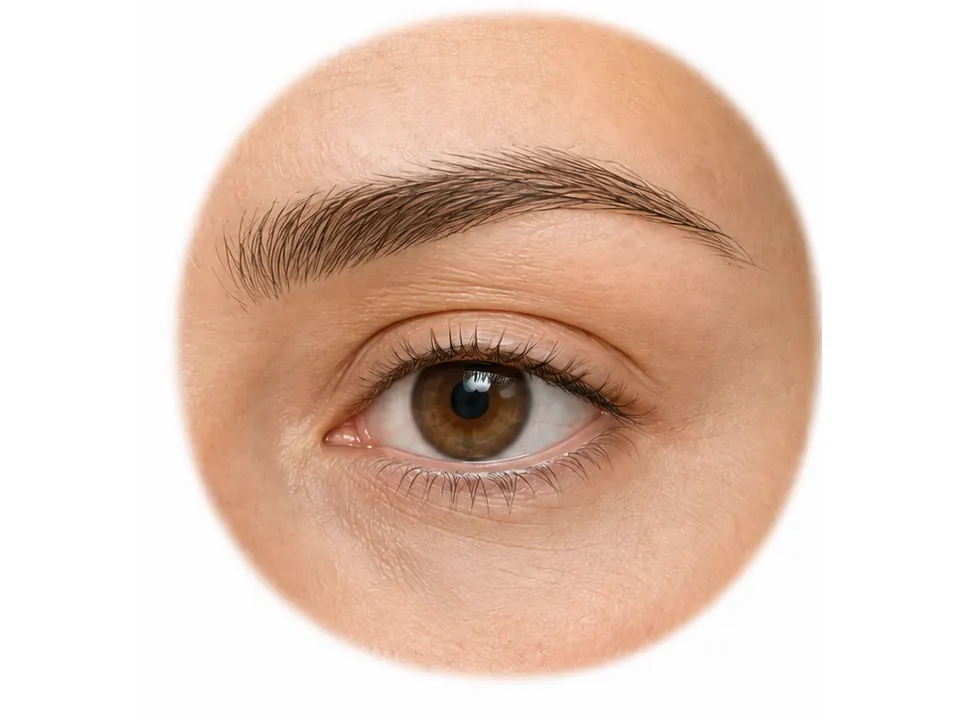
The eyebrow lies above the upper eyelid crease; their positions vary between individuals.
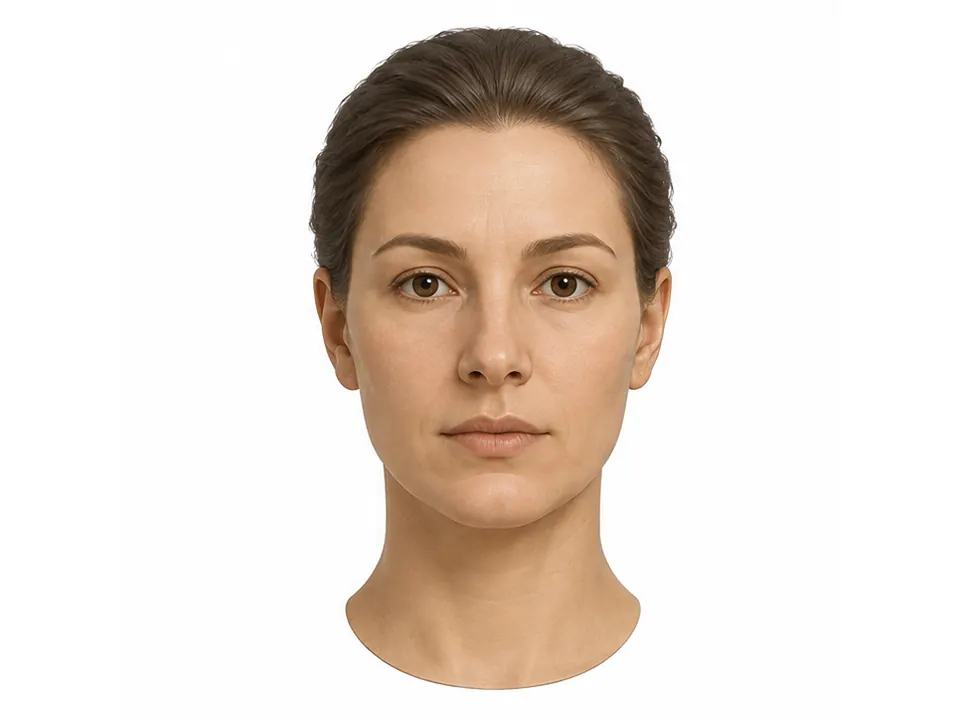
A neutral view of the same fictional teaching model, showing the eyes, nose, lips and chin.
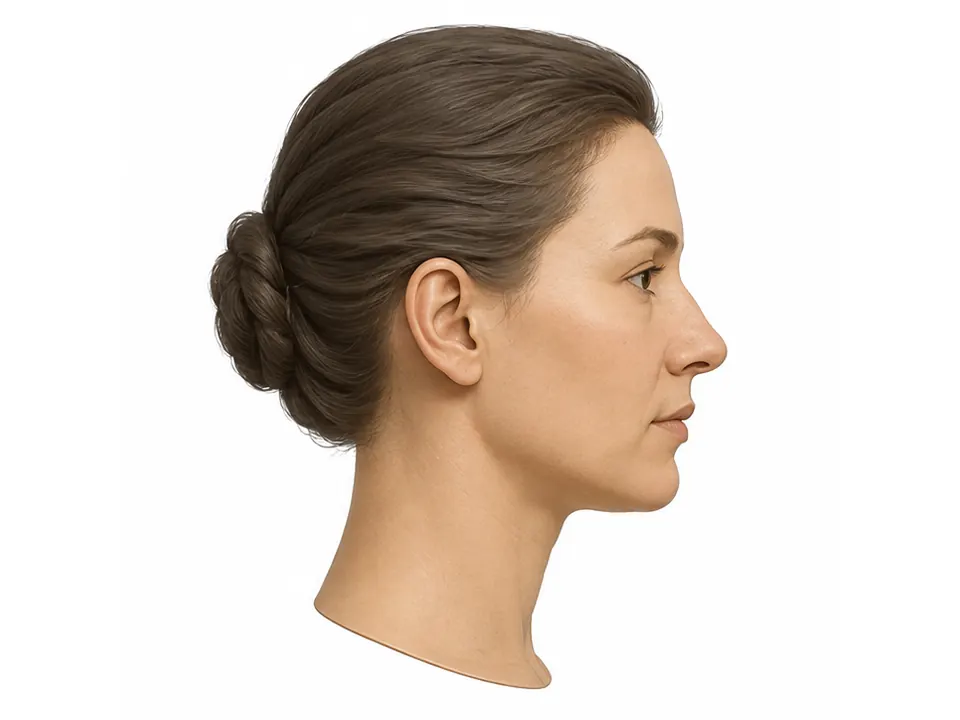
The side view shows the forehead, nose, lips, chin and jaw outline without changing the model.
Recovery, risks & limits.
Some reactions can be temporary; complications can also require treatment. This is not an exhaustive list.
Swelling, bruising, discomfort and scarring can occur.
Dryness, difficulty closing the eyes, asymmetry or a need for revision should be discussed.
Bleeding, infection and rare serious changes in vision require specific discussion with the surgeon.
Your timeline is individual.
Procedure time, anaesthesia, follow-up and return travel depend on your examination and the final plan. Confirm them before paying for flights or accommodation.
Recovery and results vary. Your clinician should explain the procedure-specific risks and aftercare before you decide.
If you develop severe or worsening symptoms after treatment, seek medical attention rather than waiting for an online reply.

Dr. JinHo Han
Representative surgeon · Plastic surgery specialist
A personal consultation with a plastic surgery specialist. Discuss your facial features, skin condition and treatment preferences before deciding on a plan.
Your questions, answered.
How does this differ from natural adhesion?
An incision allows direct access to excess skin and tissue. Natural adhesion uses small openings and internal sutures. They are different methods selected for different eyelid findings.
How long should I stay in Korea?
Procedure time, anaesthesia, follow-up and return travel depend on your examination and the final plan. Confirm them before paying for flights or accommodation.
Can I choose the procedure before an examination?
You can explore your options first. The final plan requires an examination, a discussion of alternatives and informed consent. Choosing no treatment is also an option.
How is the cost decided?
The clinic confirms the proposed method, treatment area and product or equipment before giving an individual quote. Ask what is included in follow-up care.
What should I disclose before treatment?
Tell the clinician about previous procedures, implants, medication, allergies and health conditions. Bring available details of earlier injections or surgery.
Sources & further reading
Clair Korean treatment informationPatient safety informationSource review: September 2026